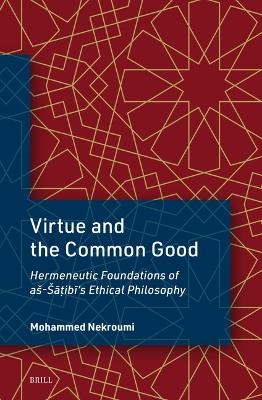
Virtue and the Common Good
Brill (Verlag)
978-90-04-68225-2 (ISBN)
Mohammed Nekroumi, Ph.D. (1996, University of Aix-en-Provence), is the Chair for Text Analysis and Jurisprudence at DIRS, FAU Erlangen-Nuremberg. He has published monographs and many articles on discourse analysis and Islamic jurisprudence, including Understanding and Believing: A Comparative View of Theological Scriptural Hermeneutics (EB-Verlag, 2020).
Preface
Acknowledgements
1 Object of Study and Basic Epistemological Questions
1.1 Object of Study
1.2 Basic Epistemological Questions
1.3 The Question of Methodology
2 Basic Questions Regarding the Rational Justifiability of the šarīʿa’s Moral Theology
2.1 Revelation’s Intention as the Seat of Moral Duty’s Justification
2.2 Maqāṣid’s Moral Justification in Light of Theological Hermeneutics
3 Maṣlaḥa as the “Cornerstone” of Ethical Orientation
3.1 Preliminary Remarks: Maṣlaḥa – A Historical Overview
3.2 Ethical Orientation in the Relationship between Duty and Responsibility
3.3 Caught between Rational Theology and Legal Theory
4 Ethical Orientation as Identity Building
4.1 The Ethics of Responsibility as the Basis for Determining Religious Identity
4.2 Defining the Relationships between Basic Objectives of the šarīʿa
4.3 From the Protection of the Soul to the Social Responsibility of the Self
4.4 Closing Observations
5 Al-Aḥkām at-taklīfiyya – Basic Questions of Maqāṣid’s Morality of Obligations
5.1 Guiding Epistemological Interest
5.2 Aš-Šāṭibī’s Theological Moral Normativity (aḥkām šarʿiyya) in the Context of Divine Ideals of the Common Good
5.3 Locating the Permitted within Obligational Norms
6 Al-Aḥkām al-waḍʿiyya as the Constitutive Rules of Moral Action
6.1 Ethically Relevant Internal Rules of Religious Practice
6.2 The Relationship between Occasion and Result in the Formation of an Ethical Judgment (asbāb vs. musabbabāt)
6.3 The Hermeneutics of Action in the Context of Teleological-Ethical Judgment: On Cause and Effect
6.4 Perspectives and Prospects: Aḥkām and the Modern Concept of Justice
7 Closing Remarks and Prospects
Glossary
Bibliography
Index
| Erscheinungsdatum | 30.09.2023 |
|---|---|
| Verlagsort | Leiden |
| Sprache | englisch |
| Maße | 155 x 235 mm |
| Themenwelt | Geisteswissenschaften ► Religion / Theologie ► Islam |
| ISBN-10 | 90-04-68225-2 / 9004682252 |
| ISBN-13 | 978-90-04-68225-2 / 9789004682252 |
| Zustand | Neuware |
| Informationen gemäß Produktsicherheitsverordnung (GPSR) | |
| Haben Sie eine Frage zum Produkt? |
aus dem Bereich