



Self-determination Theory in the Clinic
Motivating Physical and Mental Health
Seiten
2003
Yale University Press (Verlag)
978-0-300-09544-9 (ISBN)
Yale University Press (Verlag)
978-0-300-09544-9 (ISBN)
- Titel ist leider vergriffen;
keine Neuauflage - Artikel merken
An explanation of the ramifications of self-determination theory. It provides clinical examples to show that it can be used to motivate patients undergoing treatment for such physical or psychological issues as diabetes management, smoking cessation, post-traumatic stress and depression.
Self-determination theory is grounded in the belief that people work best and are happiest when they feel that they are in control of their own lives. This text explains the ramifications of the theory and provides clinical examples to show that it can be used to motivate patients undergoing treatment for such physical or psychological issues as diabetes management, smoking cessation, post-traumatic stress, obsessive-compulsive disorder and depression. The first part of the text provides historical background to self-determination theory, showing that it is humanistically oriented and has three decades of empirical research behind it. In the process, the authors discuss why humanistic psychology fell out of favour in academic psychology; why "self-help" and New Age books have such perennial popularity; and why it is so important for authorities to support patients' sense of self. The remainder of the volume presents many specific case examples to describe the theory's application.
Self-determination theory is grounded in the belief that people work best and are happiest when they feel that they are in control of their own lives. This text explains the ramifications of the theory and provides clinical examples to show that it can be used to motivate patients undergoing treatment for such physical or psychological issues as diabetes management, smoking cessation, post-traumatic stress, obsessive-compulsive disorder and depression. The first part of the text provides historical background to self-determination theory, showing that it is humanistically oriented and has three decades of empirical research behind it. In the process, the authors discuss why humanistic psychology fell out of favour in academic psychology; why "self-help" and New Age books have such perennial popularity; and why it is so important for authorities to support patients' sense of self. The remainder of the volume presents many specific case examples to describe the theory's application.
Kennon M. Sheldon is associate professor of psychology at the University of Missouri, Columbia. Geoffrey Williams is associate professor of medicine and psychology at the University of Rochester. Thomas Joiner is Bright-Burton Professor of Psychology at Florida State University.
| Erscheint lt. Verlag | 15.4.2003 |
|---|---|
| Zusatzinfo | 2 illustrations, bibliog references, index |
| Sprache | englisch |
| Maße | 156 x 234 mm |
| Gewicht | 476 g |
| Themenwelt | Geisteswissenschaften ► Psychologie ► Allgemeine Psychologie |
| Geisteswissenschaften ► Psychologie ► Verhaltenstherapie | |
| Medizin / Pharmazie ► Medizinische Fachgebiete | |
| ISBN-10 | 0-300-09544-9 / 0300095449 |
| ISBN-13 | 978-0-300-09544-9 / 9780300095449 |
| Zustand | Neuware |
| Informationen gemäß Produktsicherheitsverordnung (GPSR) | |
| Haben Sie eine Frage zum Produkt? |
Mehr entdecken
aus dem Bereich


aus dem Bereich
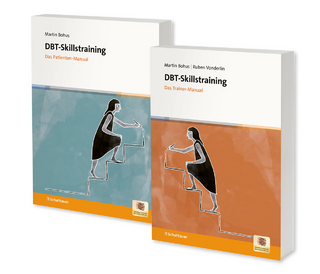
Paket bestehend aus »Das Patienten-Manual« und »Das Trainer-Manual«
Buch | Softcover (2025)
Schattauer (Verlag)
CHF 125,95
Lernen, Emotion, Motivation, Gedächtnis
Buch | Softcover (2025)
Beltz (Verlag)
CHF 39,20


