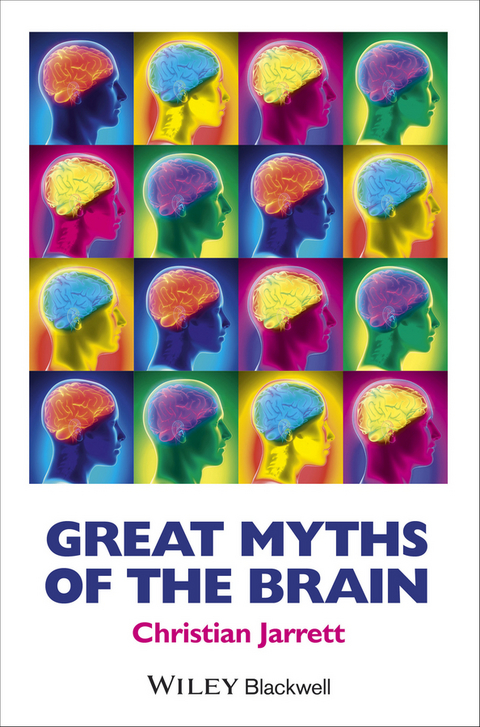
Great Myths of the Brain (eBook)
John Wiley & Sons (Verlag)
978-1-118-31268-1 (ISBN)
Great Myths of the Brain introduces readers to the field of neuroscience by examining popular myths about the human brain.
- Explores commonly-held myths of the brain through the lens of scientific research, backing up claims with studies and other evidence from the literature
- Looks at enduring myths such as 'Do we only use 10% of our brain?', 'Pregnant women lose their mind', 'Right-brained people are more creative' and many more.
- Delves into myths relating to specific brain disorders, including epilepsy, autism, dementia, and others
- Written engagingly and accessibly for students and lay readers alike, providing a unique introduction to the study of the brain
- Teaches readers how to spot neuro hype and neuro-nonsense claims in the media
Christian Jarrett has a PhD in Cognitive Neuroscience from the University of Manchester. He is editor of the British Psychological Society's Research Digest; author of the Brain Watch blog for WIRED; a blogger for Psychology Today; and columnist for 99U, the New York-based creativity think tank. Dr. Jarrett is also the author of The Rough Guide to Psychology (2011) and editor of 30 Second Psychology (Icon Books)
Great Myths of the Brain introduces readers to the field of neuroscience by examining popular myths about the human brain. Explores commonly-held myths of the brain through the lens of scientific research, backing up claims with studies and other evidence from the literature Looks at enduring myths such as Do we only use 10% of our brain? , Pregnant women lose their mind , Right-brained people are more creative and many more. Delves into myths relating to specific brain disorders, including epilepsy, autism, dementia, and others Written engagingly and accessibly for students and lay readers alike, providing a unique introduction to the study of the brain Teaches readers how to spot neuro hype and neuro-nonsense claims in the media
Christian Jarrett has a PhD in Cognitive Neuroscience from the University of Manchester. He is editor of the British Psychological Society's Research Digest; author of the Brain Watch blog for WIRED; a blogger for Psychology Today; and columnist for 99U, the New York-based creativity think tank. Dr. Jarrett is also the author of The Rough Guide to Psychology (2011) and editor of 30 Second Psychology (Icon Books)
Cover???????????????????????? 1
Title Page?????????????????????????????????? 7
Copyright???????????????????????????????? 8
Contents?????????????????????????????? 11
Acknowledgments???????????????????????????????????????????? 14
Introduction?????????????????????????????????????? 17
The Urgent Need for Neuro Myth-Busting 18
About This Book 20
The Need for Humility 21
A Primer on Basic Brain Anatomy, Techniques, and Terminology 25
Notes 29
Chapter 1: Defunct Myths 31
#1 Thought Resides in the Heart???????????????????????????????????????????????????????????????????????????? 31
#2 The Brain Pumps Animal Spirits Round the Body?????????????????????????????????????????????????????????????????????????????????????????????????????????????? 34
#3 Brain Cells Join Together Forming a Huge Nerve Net???????????????????????????????????????????????????????????????????????????????????????????????????????????????????????? 37
#4 Mental Function Resides in the Brain’s Hollows???????????????????????????????????????????????????????????????????????????????????????????????????????????????? 38
Notes 40
Chapter 2: Myth-Based Brain Practices 41
#5 Drilling a Hole in the Skull Releases Evil Spirits???????????????????????????????????????????????????????????????????????????????????????????????????????????????????????? 41
#6 Personality Can Be Read in the Bumps on the Skull?????????????????????????????????????????????????????????????????????????????????????????????????????????????????????? 44
#7 Mental Illness Can Be Cured by Disconnecting the Frontal Lobes???????????????????????????????????????????????????????????????????????????????????????????????????????????????????????????????????????????????? 46
Notes 51
Chapter 3: Mythical Case Studies 53
#8 Brain Injury Turned Neuroscience’s Most Famous Case into an Impulsive Brute?????????????????????????????????????????????????????????????????????????????????????????????????????????????????????????????????????????????????????????????????????????? 53
#9 The Faculty of Language Production Is Distributed Through the Brain?????????????????????????????????????????????????????????????????????????????????????????????????????????????????????????????????????????????????????????? 56
#10 Memory Is Distributed Throughout the Entire Cortex?????????????????????????????????????????????????????????????????????????????????????????????????????????????????????????? 61
Notes 65
4 The Immortal Myths?????????????????????????????????????????????????????? 67
#11 We Only Use Ten Percent of Our Brains???????????????????????????????????????????????????????????????????????????????????????????????? 67
Background to the Myth 68
The Reality 70
#12 Right-Brained People Are More Creative?????????????????????????????????????????????????????????????????????????????????????????????????? 71
Background to the Myth 72
Correcting the Myth 74
#13 The Female Brain Is More Balanced (and Other Gender-Based Brain Myths)?????????????????????????????????????????????????????????????????????????????????????????????????????????????????????????????????????????????????????????????????? 81
The Reality 86
#14 Adults Can’t Grow New Brain Cells???????????????????????????????????????????????????????????????????????????????????????? 90
Battling the Dogma 91
Neurogenesis in Humans 92
Mysteries Remain 94
#15 There’s a God Spot in the Brain (and Other Lesser-Spotted Myths)?????????????????????????????????????????????????????????????????????????????????????????????????????????????????????????????????????????????????????? 96
Origins 97
The Reality 98
Other Lesser-Spotted Myths 100
#16 Pregnant Women Lose Their Minds???????????????????????????????????????????????????????????????????????????????????? 103
The Reality 104
Animal Research and the Maternal Upgrade 106
#17 We All Need Eight Hours of Continuous Sleep (and Other Dozy Sleep Myths)?????????????????????????????????????????????????????????????????????????????????????????????????????????????????????????????????????????????????????????????????????? 108
#18 The Brain Is a Computer???????????????????????????????????????????????????????????????????? 117
Is the Brain Really a Computer? 118
#19 The Mind Can Exist Outside of the Brain???????????????????????????????????????????????????????????????????????????????????????????????????? 122
#20 Neuroscience Is Transforming Human Self-Understanding???????????????????????????????????????????????????????????????????????????????????????????????????????????????????????????????? 131
The Case For 132
The Case Against 134
Notes 138
Chapter 5: Myths about the Physical Structure of the Brain 151
#21 The Brain Is Well Designed?????????????????????????????????????????????????????????????????????????? 151
Redressing the Balance 152
#22 The Bigger the Brain, the Better?????????????????????????????????????????????????????????????????????????????????????? 156
Human Brains 157
Animal Brains 158
#23 You Have a Grandmother Cell???????????????????????????????????????????????????????????????????????????? 162
Origins of the Grandmother Cell 162
Do They Really Exist? 163
#24 Glial Cells Are Little More Than Brain Glue???????????????????????????????????????????????????????????????????????????????????????????????????????????? 165
#25 Mirror Neurons Make Us Human (and Broken Mirror Neurons Cause Autism)???????????????????????????????????????????????????????????????????????????????????????????????????????????????????????????????????????????????????????????????? 170
The Myth 170
The Reality 172
#26 The Disembodied Brain???????????????????????????????????????????????????????????????? 176
The Brain in the Gut 177
Bodily Effects on Emotion 178
Bodily Effects on Thoughts and Morality 180
Physical and Mental Health 182
Notes 185
Chapter 6: Technology and Food Myths 193
#27 Brain Scans Can Read Your Mind?????????????????????????????????????????????????????????????????????????????????? 193
Mind-Reading Hype 194
The Messy Reality 196
Protecting the Neuroimaging Baby 198
“Mind-Reading” Applications 200
#28 Neurofeedback Will Bring You Bliss and Enlightenment?????????????????????????????????????????????????????????????????????????????????????????????????????????????????????????????? 208
Origins of the Myth 209
Neurofeedback Mythology Today 211
Clinical Neurotherapy 213
#29 Brain Training Will Make You Smart?????????????????????????????????????????????????????????????????????????????????????????? 217
The Case for Brain Training 218
The Case Against 219
Brain Training for the Elderly 221
#30 Brain Food Will Make You Even Smarter???????????????????????????????????????????????????????????????????????????????????????????????? 225
A Fishy Tale 225
Vitamin Pills and Power Drinks 227
Is Glucose Really the Source of Our Willpower? 228
Official! Chocolate Headlines Are Usually Overstated 231
#31 Google Will Make You Stupid, Mad, or Both???????????????????????????????????????????????????????????????????????????????????????????????????????? 233
The Reality 235
Notes 242
Chapter 7: Brain Myths Concerning Perception and Action 251
#32 The Brain Receives Information from Five Separate Senses?????????????????????????????????????????????????????????????????????????????????????????????????????????????????????????????????????? 251
The Reality 252
A Sensory Cocktail 255
Synesthesia 256
#33 The Brain Perceives the World As It Is?????????????????????????????????????????????????????????????????????????????????????????????????? 258
Not Paying Attention 258
Blindspots 259
Blackouts 260
Extension and Momentum 262
Illusions 263
#34 The Brain’s Representation of the Body Is Accurate and Stable???????????????????????????????????????????????????????????????????????????????????????????????????????????????????????????????????????????????? 265
Body Knowledge 265
Bodily Illusions 268
Notes 271
Chapter 8: Myths about Brain Disorder and Illness 274
#35 Brain Injury and Concussion Myths???????????????????????????????????????????????????????????????????????????????????????? 274
Myths about Symptoms and Recovery 275
Don’t Underestimate Concussion 277
Prejudice and Support 279
#36 Amnesia Myths???????????????????????????????????????????????? 281
The Myths 282
When Truth Is Stranger than Fiction 285
Other Forms of Amnesia 286
#37 Coma Myths?????????????????????????????????????????? 289
Coma and Vegetative State 289
Coma Facts 290
Coma Myths 291
Ethical Dilemmas 293
Brain Death 294
#38 Epilepsy Myths?????????????????????????????????????????????????? 296
Basic Myths and Facts 296
Portrayals of Epilepsy in Popular Culture 298
#39 Autism Myths?????????????????????????????????????????????? 302
#40 Dementia Myths?????????????????????????????????????????????????? 310
There Is Light in the Darkness 314
#41 The Chemical Imbalance Myth of Mental Illness???????????????????????????????????????????????????????????????????????????????????????????????????????????????? 316
The Reality 317
Overturning the Myth 320
Notes 323
Afterword???????????????????????????????? 332
Notes 333
Index???????????????????????? 334
EULA 371
The more we are interested in the brain and how it explains our behaviour, the more important it is that we rid ourselves of untruths and half truths. Myth buster extraordinaire, Christian Jarrett, is an engaging and knowledgeable guide who spring cleans the cobwebs of misinformation that have accumulated over recent years. You will be surprised at some favourite beliefs that turn out to be scare stories or wishful thinking. Yet, Jarrett conveys a strong optimism about fresh approaches that will result in new knowledge. All claims are well substantiated with references. It will be fun to learn from this book.--Professor Uta Frith, UCL Institute of Cognitive Neuroscience
Christian Jarrett is the ideal guide to the fascinating, bewildering and often overhyped world of the brain. He writes about the latest discoveries in neuroscience with wonderful clarity, while cleanly puncturing myths and misinformation.--Ed Yong, award-winning science writer, blogger and journalist
Great Myths of the Brain' provides and incredibly thorough and engaging dismantling of neurological myths and misconceptions that abound today. For anyone overwhelmed by copious bogus neuroscience, Christian Jarrett has generously used his own mighty brain to clear this cloud of misinformation, like a lighthouse cutting through the fog.--Dr Dean Burnett, Guardian blogger, Cardiff University
Lots of people cling to misconceptions about the brain that are just plain wrong, and sometimes even dangerous. In this persuasive and forceful book, Christian Jarett exposes many of these popular and enduring brain myths. Readers who want to embrace proper neuroscience, and arm themselves against neurononsense will enjoy this splendid book, and profit greatly from doing so.--Elizabeth F. Loftus, Distinguished Professor, University of California, Irvine
Christian Jarrett, one of the world's great communicators of psychological science, takes us on a neuroscience journey, from ancient times to the present. He exposes things we have believed that just aren't so. And he explores discoveries that surprise and delight us. Thanks to this tour de force of critical thinking, we can become wiser--by being smartly skeptical but not cynical, open but not gullible--David G. Myers, Hope College, author, Psychology, 11th Edition
A masterful catalogue of neurobollocks.--Dr Ben Goldacre, author of Bad Science and Bad Pharma
In this era of commercialized neurohype, Christian Jarrett's engaging book equips us with the skills for spotting the authentic facts lost in a sea of brain myths. With compelling arguments and compassion for the human condition, Jarrett teaches us that the truth about the brain is more complicated, but ultimately more fascinating, than fiction.--The Neurocritic, neuroscientist and blogger
Christian Jarrett has written a wonderful book that is as entertaining as it is enlightening. When it comes to brain science, a little knowledge is a dangerous thing. Jarrett has done us all a great service by peeling back the layers of hype to reveal what we really do know - and don't know - about how the brain functions.--Prof Christopher C French, Goldsmiths, University of London
| Erscheint lt. Verlag | 2.9.2014 |
|---|---|
| Reihe/Serie | Great Myths in Psychology |
| Great Myths in Psychology | Great Myths of Psychology |
| Sprache | englisch |
| Themenwelt | Geisteswissenschaften ► Psychologie ► Allgemeine Psychologie |
| Geisteswissenschaften ► Psychologie ► Biopsychologie / Neurowissenschaften | |
| Geisteswissenschaften ► Psychologie ► Verhaltenstherapie | |
| Schlagworte | Biowissenschaften • Cognitive Neuropsychology & Cognitive Neuroscience • Kognitive Neuropsychologie u. Neurowissenschaft • Life Sciences • Neuropsychologie • Neuroscience • Neuroscience, brain, human brain, brain myths, cognitive neuroscience, cognition, anthropology, medicine, psychology, psychiatry • Neurowissenschaften • Psychologie • Psychology |
| ISBN-10 | 1-118-31268-6 / 1118312686 |
| ISBN-13 | 978-1-118-31268-1 / 9781118312681 |
| Informationen gemäß Produktsicherheitsverordnung (GPSR) | |
| Haben Sie eine Frage zum Produkt? |
 PDF (Adobe DRM)
Kopierschutz: Adobe-DRM
Adobe-DRM ist ein Kopierschutz, der das eBook vor Mißbrauch schützen soll. Dabei wird das eBook bereits beim Download auf Ihre persönliche Adobe-ID autorisiert. Lesen können Sie das eBook dann nur auf den Geräten, welche ebenfalls auf Ihre Adobe-ID registriert sind.
Details zum Adobe-DRM
Dateiformat: PDF (Portable Document Format)
Mit einem festen Seitenlayout eignet sich die PDF besonders für Fachbücher mit Spalten, Tabellen und Abbildungen. Eine PDF kann auf fast allen Geräten angezeigt werden, ist aber für kleine Displays (Smartphone, eReader) nur eingeschränkt geeignet.
Systemvoraussetzungen:
PC/Mac: Mit einem PC oder Mac können Sie dieses eBook lesen. Sie benötigen eine
eReader: Dieses eBook kann mit (fast) allen eBook-Readern gelesen werden. Mit dem amazon-Kindle ist es aber nicht kompatibel.
Smartphone/Tablet: Egal ob Apple oder Android, dieses eBook können Sie lesen. Sie benötigen eine
Geräteliste und zusätzliche Hinweise
Buying eBooks from abroad
For tax law reasons we can sell eBooks just within Germany and Switzerland. Regrettably we cannot fulfill eBook-orders from other countries.
aus dem Bereich