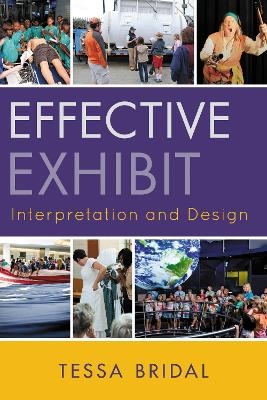
Effective Exhibit Interpretation and Design
Altamira Press (Verlag)
978-0-7591-2110-2 (ISBN)
Effective Exhibit Interpretation and Design examines the impact of an integrated approach to exhibit design and development on the effective creation and support of live interpretation of exhibit messages and institutional mission. Bridal argues that the interpreters who bring these exhibitions, an institution’s mission, collections, and stories to life and the forefront of a visitor’s attention are just as vital a part of an institution’s public face, and that neglecting to give live interpretation an equal seat at the table impoverishes the ultimate visitor experience.
Eight institutions collaborated with the author in examining the outcomes of approaching exhibit and live interpretation design and development collaboratively, the challenges of adding interpretation to spaces and exhibits not designed for it, and the guiding practices they have put into place. These institutions were: Imagine It! The Children's Museum of Atlanta, Minnesota History Center, The Missouri History Museum, the Museum of Science and Industry, Chicago, National Children’s Museum, The National Museum of American History, The Science Museum of Minnesota and The Science Museum of Virginia. Information was also shared by the Children’s Museum of Indianapolis and the Monterey Bay Aquarium.
Tessa Bridal has over 30 years of experience working with museums, and as a consultant nationally and internationally, and received theAmerican Association of Museums’Education Committee Award for Excellence in Practice, given to individuals who have greatly influenced the work of the museum education field. She is the author of a prize winning novel, a contributor to several anthologies, has served as editor of newsletters and museum publications, and of the non-fiction book Exploring Museum Theatre, also published by Alta Mira Press. She can be contacted at tessa.bridal@icloud.net.
Introduction
List of Illustrations
List of Abbreviations
Acknowledgements
The Museums
Chapter 1
Designing an exhibit and a program space simultaneouslyRetrofitting and Adding Interpretation to Existing ExhibitsNo Program SpaceChallenges and Benefits of collaborative exhibit design/fabrication and interpretation/program developmentCommunicationOrganizationSpaceDead spaceLocationConnection to exhibitSound and activity from adjacent exhibitsStorageTechnical needsVisitor comfortAddress the needs of an audience to see, hear, and focusDiscuss the various styles of interpretation best suited to the goals of your exhibitResultsChapter 2
MascotsExhibit host/greeterToursGuest presentersObject cartsFacilitated programsDemonstrations/presentationsCharacter appearancesStorytellingCreative dramaticsLiving historyMuseum theatreChapter 3
Program developmentExpectations of programs and those who present themWho presentsWho are our interpreters and what do we call them?Selecting presentersTraining/coachingWhy hire live interpreters when electronic means are available?ScriptsIn closing…Appendix A
Appendix B
Appendix C
Appendix D
Appendix E
Appendix F
Appendix G
Appendix H
Appendix I
Resources
| Verlagsort | California |
|---|---|
| Sprache | englisch |
| Maße | 158 x 237 mm |
| Gewicht | 340 g |
| Themenwelt | Kunst / Musik / Theater |
| Geisteswissenschaften ► Geschichte ► Hilfswissenschaften | |
| Wirtschaft ► Betriebswirtschaft / Management | |
| ISBN-10 | 0-7591-2110-9 / 0759121109 |
| ISBN-13 | 978-0-7591-2110-2 / 9780759121102 |
| Zustand | Neuware |
| Informationen gemäß Produktsicherheitsverordnung (GPSR) | |
| Haben Sie eine Frage zum Produkt? |
aus dem Bereich