



Theophrastus against the Presocratics and Plato
Peripatetic Dialectic in the De sensibus
Seiten
2000
Brill (Verlag)
978-90-04-11720-4 (ISBN)
Brill (Verlag)
978-90-04-11720-4 (ISBN)
This study of Theophrastus' much neglected De sensibus offers a new interpretation of the treatment of the Presocratic and Platonic views on sense perception, and provides new insight into Theophrastus' exegetical procedure by using Peripatetic dialectic as a heuristic tool.
This study offers a new and stimulating interpretation of Theophrastus' De sensibus, a treatise unique in content and method, as it reports and criticizes the theories of sense perception of the Presocratics and Plato.
Most of the material on the Presocratics is found nowhere else, which explains why many passages can be found scattered over the Fragmente der Vorsokratiker. As an antidote to this fragmented approach the Presocratics are here studied in context, a text informed by a distinctly Peripatetic perspective. The analysis of the reports and (long neglected) criticisms of Plato (ch.4) and the Presocratics (ch.5) offers new insights into Theophrastus' exegetical procedure by succesfully using Peripatetic dialectic as a heuristic tool. The Epilogue outlines some implications for the role of the treatise in the doxographical tradition.
This study offers a new and stimulating interpretation of Theophrastus' De sensibus, a treatise unique in content and method, as it reports and criticizes the theories of sense perception of the Presocratics and Plato.
Most of the material on the Presocratics is found nowhere else, which explains why many passages can be found scattered over the Fragmente der Vorsokratiker. As an antidote to this fragmented approach the Presocratics are here studied in context, a text informed by a distinctly Peripatetic perspective. The analysis of the reports and (long neglected) criticisms of Plato (ch.4) and the Presocratics (ch.5) offers new insights into Theophrastus' exegetical procedure by succesfully using Peripatetic dialectic as a heuristic tool. The Epilogue outlines some implications for the role of the treatise in the doxographical tradition.
Han Baltussen, Ph.D. (1993) in Classics and Ancient Philosophy, Utrecht University teaches in the Classics Programme of the Centre for European Studies and General Linguistics of the University of Adelaide. He has published on the reception of philosophical views, and is currently working on forms of exegesis in antiquity.
| Erscheint lt. Verlag | 14.6.2000 |
|---|---|
| Reihe/Serie | Philosophia Antiqua ; 86 |
| Verlagsort | Leiden |
| Sprache | englisch |
| Maße | 155 x 235 mm |
| Gewicht | 622 g |
| Einbandart | Leinen |
| Themenwelt | Geisteswissenschaften ► Philosophie ► Philosophie Altertum / Antike |
| Geisteswissenschaften ► Sprach- / Literaturwissenschaft ► Anglistik / Amerikanistik | |
| Geisteswissenschaften ► Sprach- / Literaturwissenschaft ► Literaturwissenschaft | |
| ISBN-10 | 90-04-11720-2 / 9004117202 |
| ISBN-13 | 978-90-04-11720-4 / 9789004117204 |
| Zustand | Neuware |
| Informationen gemäß Produktsicherheitsverordnung (GPSR) | |
| Haben Sie eine Frage zum Produkt? |
Mehr entdecken
aus dem Bereich

aus dem Bereich
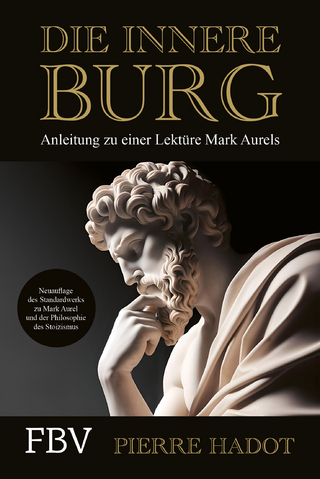
Anleitung zu einer Lektüre Mark Aurels
Buch | Hardcover (2025)
FinanzBuch Verlag
CHF 27,95


