



Ägyptisches Kulturgut im phönikischen und punischen Sardinien (2 vols.)
I. Textteil. II. Anmerkungen, Indizes und 188 Tafeln
Seiten
1986
Brill (Verlag)
978-90-04-07182-7 (ISBN)
Brill (Verlag)
978-90-04-07182-7 (ISBN)
- Titel ist leider vergriffen;
keine Neuauflage - Artikel merken
From the early part of the first century BC, Egyptian cultural artefacts spread to an increasing degree into Palestine and Syria and (via the Greeks and Phoenicians) into the Greek, Italian and Western Phoenician spheres.
Following a presentation of the Near Eastern background and a survey of Sardinian findspots, this work lists the types of monument found on Sardinia (from the 8th c. to the Roman period). In the case of both amulets (gods in human and animal form) and scarabs made if steatite and fayence an attempt is made, using a carefully developed typology (both of material and form) and other statistical criteria, to derive a characterisation of groups of differing origin (Egyptian, Eastern Phoenician, Punic). These objects reflect the expansion and adaptation of polupar Egyptian magic. Even the Egyptian motifs on hard-stone Punic scarabs and precious-metal artefacts have a religious significance, which is very closely related to Egyptian concepts. In the same way the Egyptian elements on Punic steles and portions of architecture underline their sacral character.
This study pursues methodological goals using evidence from the whole of Mediterranean area.
Following a presentation of the Near Eastern background and a survey of Sardinian findspots, this work lists the types of monument found on Sardinia (from the 8th c. to the Roman period). In the case of both amulets (gods in human and animal form) and scarabs made if steatite and fayence an attempt is made, using a carefully developed typology (both of material and form) and other statistical criteria, to derive a characterisation of groups of differing origin (Egyptian, Eastern Phoenician, Punic). These objects reflect the expansion and adaptation of polupar Egyptian magic. Even the Egyptian motifs on hard-stone Punic scarabs and precious-metal artefacts have a religious significance, which is very closely related to Egyptian concepts. In the same way the Egyptian elements on Punic steles and portions of architecture underline their sacral character.
This study pursues methodological goals using evidence from the whole of Mediterranean area.
| Erscheint lt. Verlag | 1.12.1986 |
|---|---|
| Reihe/Serie | Études préliminaires aux religions orientales dans l'Empire romain ; 102 |
| Verlagsort | Leiden |
| Sprache | deutsch |
| Maße | 155 x 235 mm |
| Gewicht | 1628 g |
| Themenwelt | Geschichte ► Allgemeine Geschichte ► Altertum / Antike |
| Geschichte ► Teilgebiete der Geschichte ► Religionsgeschichte | |
| Geisteswissenschaften ► Religion / Theologie ► Weitere Religionen | |
| Technik ► Architektur | |
| ISBN-10 | 90-04-07182-2 / 9004071822 |
| ISBN-13 | 978-90-04-07182-7 / 9789004071827 |
| Zustand | Neuware |
| Informationen gemäß Produktsicherheitsverordnung (GPSR) | |
| Haben Sie eine Frage zum Produkt? |
Mehr entdecken
aus dem Bereich

aus dem Bereich
ohne den ganzen langweiligen Kram
Buch | Hardcover (2025)
C.H.Beck (Verlag)
CHF 36,40
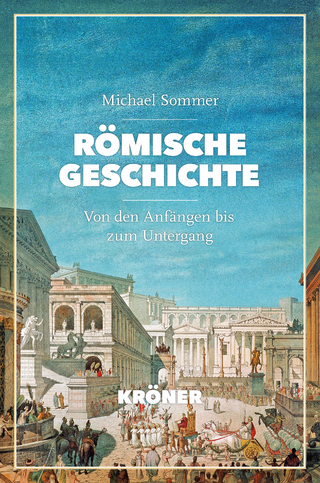
von den Anfängen bis zum Untergang
Buch | Hardcover (2025)
Alfred Kröner Verlag
CHF 48,95
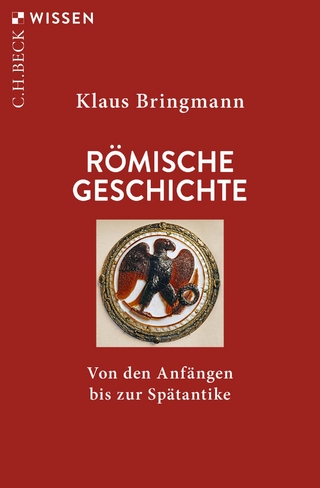
von den Anfängen bis zur Spätantike
Buch | Softcover (2024)
C.H.Beck (Verlag)
CHF 16,80


