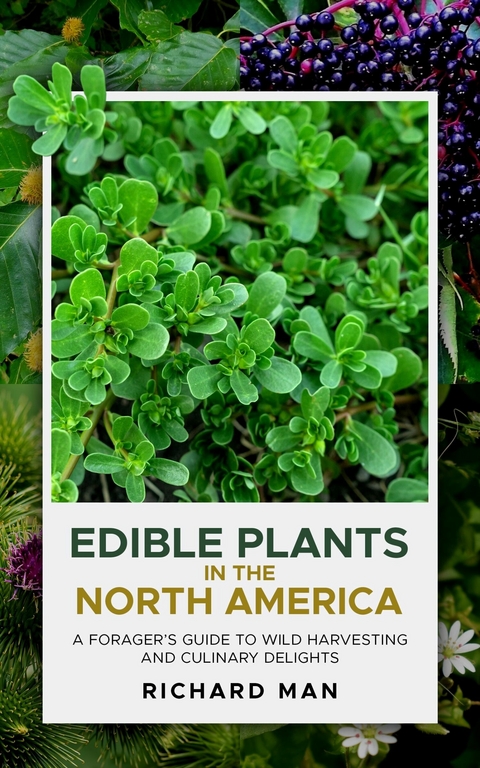
Edible Plants of North America (eBook)
135 Seiten
Publishdrive (Verlag)
978-0-00-071933-1 (ISBN)
Have you ever wondered what wild edible plants are right at your doorstep, waiting to be discovered? Whether you're a passionate forager or a curious adventurer, Edible Plants of North America opens the door to the world of wild foods, ready for you to harvest and enjoy.
This beautifully crafted guide takes you on a journey through North America's diverse ecosystems, showcasing over 200 edible plants with stunning photography and clear identification tips. From the forests of the Pacific Northwest to the meadows of the Midwest and the deserts of the Southwest, you'll find plants that are not only edible but also delicious and nutrient-rich.
Imagine stepping outside and confidently identifying the wild plants that you can harvest to create fresh, flavorful meals. This guide provides you with everything you need: detailed plant descriptions, harvesting techniques, cooking tips, and culinary uses that will transform your foraging experience into a gourmet adventure. With every plant, you'll discover how to incorporate nature's gifts into your diet, bringing the wild into your kitchen in creative and exciting ways.
Ready to explore the rich bounty of North America's wild plants? Get your hands on Edible Plants of North America today and start foraging with confidence. Whether you're looking to enhance your cooking or simply reconnect with nature, this guide is the perfect companion for every forager, chef, and nature enthusiast. Happy foraging!
INTRODUCTION
Foraging—the act of gathering wild food from nature—is as old as humanity itself. Long before the advent of agriculture, our ancestors sustained themselves by identifying, collecting, and consuming the edible plants that grew naturally in their environment. This primal connection to the land and its bounty was not just a means of survival, but a way of life that shaped our species' understanding of the natural world. As humans evolved and developed more complex societies, our relationship with wild foods changed, but it never truly disappeared. Today, in an age of supermarkets and industrial agriculture, foraging has experienced a remarkable renaissance, captivating the hearts and taste buds of food enthusiasts, naturalists, and those seeking a deeper connection with the natural world.
This resurgence is not merely a nostalgic nod to our past; it represents a meaningful way to engage with our environment, expand our culinary horizons, and promote sustainable living practices. The art and science of foraging speak to something fundamental in the human experience—a desire to connect with nature, to understand our place within it, and to nourish ourselves directly from the earth's abundance. As we face global challenges such as climate change, biodiversity loss, and food security concerns, the practice of foraging offers valuable insights and potential solutions.
Foraging embodies a holistic approach to food procurement that goes far beyond simply finding something to eat. It requires a deep understanding of local ecosystems, seasonal changes, and the intricate relationships between plants, animals, and their habitats. This knowledge, accumulated over generations and refined through personal experience, forms the backbone of foraging practice. It's a skill set that combines botany, ecology, geography, and even meteorology, as successful foragers must be attuned to the subtle rhythms and patterns of the natural world.
One of the most significant benefits of foraging is the nutritional value it offers. Wild plants often boast higher nutrient densities than their cultivated counterparts, providing a rich source of vitamins, minerals, and beneficial compounds. This is partly due to the diverse and often challenging environments in which these plants grow. Without human intervention in the form of fertilizers or pesticides, wild plants must develop robust defense mechanisms and efficient nutrient absorption strategies. As a result, many foraged foods are powerhouses of antioxidants, essential fatty acids, and other health-promoting substances. For example, wild berries typically contain higher levels of antioxidants than commercially grown varieties, while many wild greens offer an impressive array of vitamins and minerals.
The culinary exploration that foraging enables is another compelling aspect of the practice. By introducing unique flavors, textures, and ingredients to your diet, foraging can inspire tremendous creativity in the kitchen. Many of the plants you'll discover have flavors that simply can't be replicated by cultivated produce. The peppery bite of wild watercress, the delicate sweetness of spring violets, or the complex, earthy notes of wild mushrooms can elevate dishes and expand your palate in ways you might never have imagined. Chefs around the world have embraced foraged ingredients, incorporating them into high-end cuisine and helping to spark wider interest in wild foods. But you don't need to be a professional chef to appreciate these flavors—even simple preparations can showcase the unique characteristics of foraged ingredients.
Perhaps one of the most profound benefits of foraging is the environmental awareness it fosters. As you spend time searching for edible plants, you naturally become more attuned to your surroundings. You start to notice subtle changes in vegetation as seasons progress, understand how different plants thrive in various micro-climates, and observe the myriad interactions between flora and fauna. This heightened awareness can lead to a deeper appreciation for the complexity and fragility of ecosystems, inspiring a more conscientious approach to environmental stewardship. Foragers often become passionate advocates for conservation and sustainable land management practices, recognizing that their hobby depends on healthy, diverse ecosystems.
When practiced responsibly, foraging represents a low-impact method of food procurement, potentially reducing reliance on industrial agriculture and long-distance food transportation. This aspect of foraging aligns well with growing concerns about food miles, carbon footprints, and sustainable eating. By sourcing food locally and seasonally, foragers can significantly reduce the environmental impact of their diets. Moreover, many edible wild plants are hardy species that require no cultivation, irrigation, or chemical inputs, making them an inherently sustainable food source when harvested properly.
The act of foraging itself can contribute significantly to both physical and mental well-being. Spending time outdoors, engaging in moderate physical activity, and focusing on the task at hand can have profound health benefits. The exercise involved in hiking to foraging spots, bending to harvest plants, and carrying your finds home provides a full-body workout that's as natural as the food you're gathering. Mentally, foraging can be a form of moving meditation, allowing you to focus on the present moment and disconnect from the stresses of modern life. The sense of accomplishment that comes from successfully identifying and harvesting wild foods can boost self-esteem and provide a sense of connection to the natural world that many find deeply satisfying.
From an economic perspective, wild foods are freely available, potentially reducing grocery expenses and providing an alternative source of nutrition. In times of economic hardship or food insecurity, foraging skills can be particularly valuable. However, it's important to note that foraging should be viewed as a supplement to, rather than a replacement for, conventional food sources for most people. The economic benefits of foraging extend beyond personal savings. As interest in wild foods grows, there are increasing opportunities for foraging guides, wild food chefs, and producers of foraged products, contributing to local economies and creating new avenues for sustainable livelihoods.
One of the most important aspects of foraging is its role in preserving traditional ecological knowledge. Many indigenous cultures have rich traditions of wild food use, encompassing not just identification and harvesting techniques, but also preparation methods, medicinal applications, and cultural significance. As societies modernize and younger generations move away from traditional lifestyles, there's a risk of this valuable knowledge being lost. By learning and practicing foraging, we help maintain and pass on this cultural and ecological wisdom. This preservation of knowledge is not just about maintaining traditions—it's about retaining valuable information about local ecosystems, plant properties, and sustainable resource use that could be crucial for future generations. As you embark on your foraging journey, it's crucial to approach the practice with respect, responsibility, and a commitment to continuous learning. Proper identification of plants is paramount—mistaking a poisonous species for an edible one can have serious consequences. This guide will provide you with the tools and knowledge to confidently identify edible plants, but it's always advisable to cross-reference multiple sources and, when in doubt, consult with experienced foragers or local experts. Building your knowledge gradually and thoroughly is key to safe and successful foraging.
Equally important is the ethic of sustainable harvesting. As foragers, we have a responsibility to ensure that our activities do not negatively impact the ecosystems we enjoy. This means never taking more than we need, being mindful of how our harvesting affects plant populations, and avoiding rare or threatened species. In many cases, proper harvesting techniques can actually benefit plant populations by promoting growth or dispersing seeds. Understanding the life cycles of the plants you harvest and the roles they play in their ecosystems is crucial for responsible foraging. Legal and ethical considerations are also an important aspect of foraging. Laws regarding the collection of wild plants vary by location, and it's essential to be aware of and respect these regulations. This might include obtaining permits for foraging in certain areas, respecting private property, and adhering to limits on quantities that can be harvested. Beyond legal requirements, ethical foraging also involves respecting the rights of others to enjoy natural areas, including leaving no trace of your activities and being mindful of the visual impact of harvesting.
As we delve into the pages that follow, you'll discover not just a new way of finding food, but a transformative approach to understanding and appreciating the natural world around you. This guide will introduce you to the diverse and delectable world of North America's edible wild plants, from the coastal regions of the Atlantic and Pacific to the forests of the Northeast, the prairies of the Midwest, and the deserts of the Southwest. Each ecosystem offers its own unique array of edible plants, each with its own flavors, textures, and uses. We'll explore identification techniques that go beyond simple visual recognition, incorporating all your senses to confidently distinguish edible species from their look-alikes. You'll learn about the seasonal availability of different plants, understanding how their edibility and flavor profiles change throughout the year. We'll discuss optimal...
| Erscheint lt. Verlag | 28.1.2025 |
|---|---|
| Sprache | englisch |
| Themenwelt | Technik |
| ISBN-10 | 0-00-071933-1 / 0000719331 |
| ISBN-13 | 978-0-00-071933-1 / 9780000719331 |
| Informationen gemäß Produktsicherheitsverordnung (GPSR) | |
| Haben Sie eine Frage zum Produkt? |
 EPUB (Adobe DRM)
Größe: 23,0 MB
Kopierschutz: Adobe-DRM
Adobe-DRM ist ein Kopierschutz, der das eBook vor Mißbrauch schützen soll. Dabei wird das eBook bereits beim Download auf Ihre persönliche Adobe-ID autorisiert. Lesen können Sie das eBook dann nur auf den Geräten, welche ebenfalls auf Ihre Adobe-ID registriert sind.
Details zum Adobe-DRM
Dateiformat: EPUB (Electronic Publication)
EPUB ist ein offener Standard für eBooks und eignet sich besonders zur Darstellung von Belletristik und Sachbüchern. Der Fließtext wird dynamisch an die Display- und Schriftgröße angepasst. Auch für mobile Lesegeräte ist EPUB daher gut geeignet.
Systemvoraussetzungen:
PC/Mac: Mit einem PC oder Mac können Sie dieses eBook lesen. Sie benötigen eine
eReader: Dieses eBook kann mit (fast) allen eBook-Readern gelesen werden. Mit dem amazon-Kindle ist es aber nicht kompatibel.
Smartphone/Tablet: Egal ob Apple oder Android, dieses eBook können Sie lesen. Sie benötigen eine
Geräteliste und zusätzliche Hinweise
Buying eBooks from abroad
For tax law reasons we can sell eBooks just within Germany and Switzerland. Regrettably we cannot fulfill eBook-orders from other countries.
aus dem Bereich