



The Behavioral Ecology of Food
Bridging the Archaeological and the Contemporary
Seiten
2026
Cambridge University Press (Verlag)
978-1-009-27344-2 (ISBN)
Cambridge University Press (Verlag)
978-1-009-27344-2 (ISBN)
- Noch nicht erschienen (ca. Februar 2026)
- Portofrei ab CHF 40
- Auch auf Rechnung
- Artikel merken
Due to the multifaceted nature of food, diverse theoretical perspectives have been used to study it in archaeology. One of these approaches is behavioral ecology. This Element reviews the use of behavioral ecology to bridge the archaeological and the contemporary to explain the roots of important behavioral processes.
Due to the multi-faceted nature of food – as sustenance, symbol, and commodity – diverse theoretical perspectives have been used to study it in archaeology. One of the more influential and versatile of these approaches is behavioral ecology: the study of behavioral adaptation to local environments. Behavioral ecology provides a powerful body of theory for understanding human decision-making in both the past and present. This Element reviews what behavioral ecology is, how it has been used by archaeologists to study decision-making concerning food and subsistence, how it articulates with other ecological approaches, and how it can help us to better understand sustainability in our contemporary world. The use of behavioral ecology to bridge the archaeological and the contemporary can not only explain the roots of important behavioral processes, but provide potential policy solutions to promote a more sustainable society today.
Due to the multi-faceted nature of food – as sustenance, symbol, and commodity – diverse theoretical perspectives have been used to study it in archaeology. One of the more influential and versatile of these approaches is behavioral ecology: the study of behavioral adaptation to local environments. Behavioral ecology provides a powerful body of theory for understanding human decision-making in both the past and present. This Element reviews what behavioral ecology is, how it has been used by archaeologists to study decision-making concerning food and subsistence, how it articulates with other ecological approaches, and how it can help us to better understand sustainability in our contemporary world. The use of behavioral ecology to bridge the archaeological and the contemporary can not only explain the roots of important behavioral processes, but provide potential policy solutions to promote a more sustainable society today.
1. Introduction; 2. What is behavioral ecology?; 3. The limits of behavioral ecology; 4. Sustainability; 5. Conclusion; References.
| Erscheint lt. Verlag | 28.2.2026 |
|---|---|
| Reihe/Serie | Elements in the Archaeology of Food |
| Zusatzinfo | Worked examples or Exercises |
| Verlagsort | Cambridge |
| Sprache | englisch |
| Themenwelt | Geisteswissenschaften ► Archäologie |
| Naturwissenschaften ► Biologie ► Ökologie / Naturschutz | |
| Sozialwissenschaften | |
| ISBN-10 | 1-009-27344-2 / 1009273442 |
| ISBN-13 | 978-1-009-27344-2 / 9781009273442 |
| Zustand | Neuware |
| Informationen gemäß Produktsicherheitsverordnung (GPSR) | |
| Haben Sie eine Frage zum Produkt? |
Mehr entdecken
aus dem Bereich


aus dem Bereich
Gewinnung - Aufbereitung - Speicherung - Verteilung
Buch | Softcover (2022)
Springer Vieweg (Verlag)
CHF 55,95
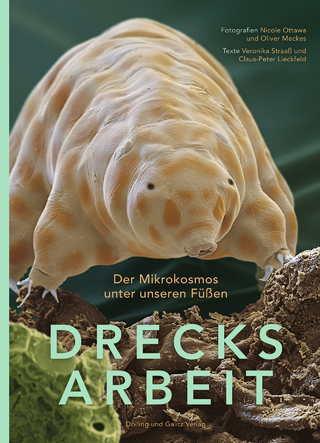
das Leben unter unseren Füßen
Buch | Hardcover (2024)
Dölling und Galitz (Verlag)
CHF 44,90
Methoden – Lösungen – Anwendungen
Buch | Hardcover (2025)
Hanser (Verlag)
CHF 69,95


