


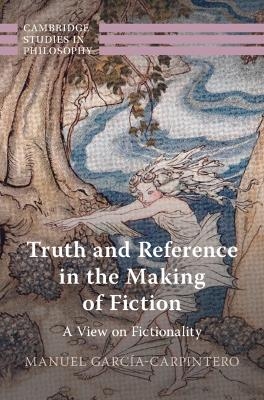
Truth and Reference in the Making of Fiction
A View on Fictionality
Seiten
2026
Cambridge University Press (Verlag)
978-1-009-29845-2 (ISBN)
Cambridge University Press (Verlag)
978-1-009-29845-2 (ISBN)
- Noch nicht erschienen (ca. Februar 2026)
- Versandkostenfrei
- Auch auf Rechnung
- Artikel merken
A systematic account of the nature of fiction explaining why fictions can refer to the world and state facts about it. The book offers tools to address common worries about fictions such as whether they can offer knowledge, by critically engaging with the most insightful contributions from contemporary philosophy.
A standard feature of our engagement with fictions is that we praise them as if they offer true insights on factual, psychological or evaluative matters, or criticize them as if they purport to do it but fail. But it is not so easy to make sense of this practice, since fictions traffick in made-up narratives concerning non-existing characters. This book offers the reader conceptual tools to reflect on such issues, providing an overarching, systematic account of philosophical issues concerning fictions and illustrating them with analysis of compelling examples. It asks whether fiction is defined – as John Searle and others have claimed – by mere pretense – the simulation of ordinary representational practices like assertions or requests - or whether it is defined by invitations or prescriptions to imagine. And it advances an original proposal on the nature of fictions, explaining why fictions can refer to the world and state facts about it.
A standard feature of our engagement with fictions is that we praise them as if they offer true insights on factual, psychological or evaluative matters, or criticize them as if they purport to do it but fail. But it is not so easy to make sense of this practice, since fictions traffick in made-up narratives concerning non-existing characters. This book offers the reader conceptual tools to reflect on such issues, providing an overarching, systematic account of philosophical issues concerning fictions and illustrating them with analysis of compelling examples. It asks whether fiction is defined – as John Searle and others have claimed – by mere pretense – the simulation of ordinary representational practices like assertions or requests - or whether it is defined by invitations or prescriptions to imagine. And it advances an original proposal on the nature of fictions, explaining why fictions can refer to the world and state facts about it.
Manuel García-Carpintero is Professor of Philosophy at the University of Barcelona. He has published widely on the philosophy of language and philosophy of mind. He is the author of Tell Me What You Know (2025).
Introduction; 1. Truth in fiction; 2. On the mood for fiction; 3. Fictional worlds; 4. Fictive imaginings as entertainings; 5. Desires and emotions in response to fiction; 6. Fictional narrators; 7. Interpretation and ontology; 8. Learning from fiction; 9. Fictional characters and fictional reference.
| Erscheint lt. Verlag | 28.2.2026 |
|---|---|
| Reihe/Serie | Cambridge Studies in Philosophy |
| Zusatzinfo | Worked examples or Exercises |
| Verlagsort | Cambridge |
| Sprache | englisch |
| Themenwelt | Geisteswissenschaften ► Philosophie ► Sprachphilosophie |
| Geisteswissenschaften ► Sprach- / Literaturwissenschaft ► Anglistik / Amerikanistik | |
| Geisteswissenschaften ► Sprach- / Literaturwissenschaft ► Literaturwissenschaft | |
| ISBN-10 | 1-009-29845-3 / 1009298453 |
| ISBN-13 | 978-1-009-29845-2 / 9781009298452 |
| Zustand | Neuware |
| Informationen gemäß Produktsicherheitsverordnung (GPSR) | |
| Haben Sie eine Frage zum Produkt? |
Mehr entdecken
aus dem Bereich

aus dem Bereich
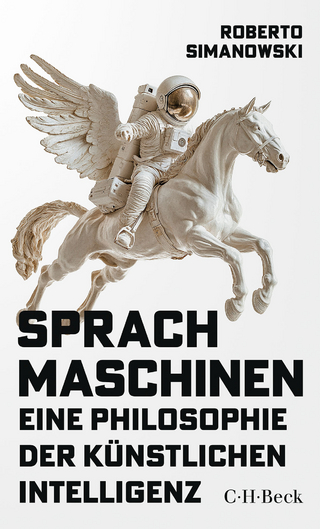
Eine Philosophie der künstlichen Intelligenz
Buch | Softcover (2025)
C.H.Beck (Verlag)
CHF 34,90
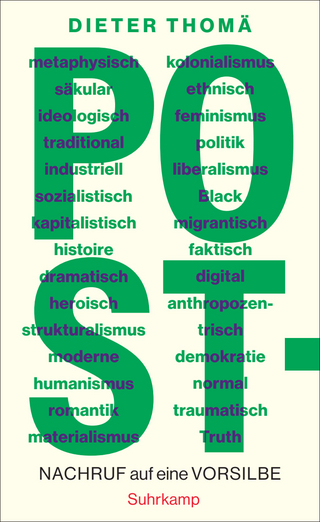
Unser schöner neuer Sprachgebrauch
Buch | Hardcover (2025)
zu Klampen Verlag
CHF 27,90


