


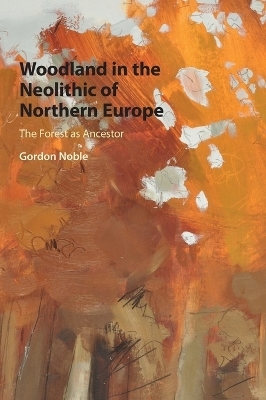
Woodland in the Neolithic of Northern Europe
The Forest as Ancestor
Seiten
2017
Cambridge University Press (Verlag)
978-1-107-15983-9 (ISBN)
Cambridge University Press (Verlag)
978-1-107-15983-9 (ISBN)
The Neolithic period is one of the great transformations in human history. Yet, few studies focus on how the environment was transformed in this period when agriculture began. This volume offers a new look at this period, focusing on how people lived in woodlands and the roles timber and trees played in Neolithic life.
The Neolithic period is one of the great transformations in human history - when agriculture first began and dramatic changes occurred in human society. These changes occurred in environments that were radically different to those that exist today, and in northern Europe many landscapes would have been dominated by woodland. Yet wood and woodland rarely figures in the minds of many archaeologists, and it plays no part in the traditional Three Age system that has defined the frameworks of European prehistory. This book explores how human-environment relations altered with the beginnings of farming, and how the Neolithic in northern Europe was made possible through new ways of living in and understanding the environment. Drawing on a broad range of evidence, from pollen data and stone axes to the remains of timber monuments and settlements, the book analyzes the relationship between people, their material culture, and their woodland environment.
The Neolithic period is one of the great transformations in human history - when agriculture first began and dramatic changes occurred in human society. These changes occurred in environments that were radically different to those that exist today, and in northern Europe many landscapes would have been dominated by woodland. Yet wood and woodland rarely figures in the minds of many archaeologists, and it plays no part in the traditional Three Age system that has defined the frameworks of European prehistory. This book explores how human-environment relations altered with the beginnings of farming, and how the Neolithic in northern Europe was made possible through new ways of living in and understanding the environment. Drawing on a broad range of evidence, from pollen data and stone axes to the remains of timber monuments and settlements, the book analyzes the relationship between people, their material culture, and their woodland environment.
Gordon Noble is Head of Department and Senior Lecturer in Archaeology at the University of Aberdeen. He is author of Neolithic Scotland: Timber, Stone, Earth and Fire (2006).
Preface; 1. Introduction: engaging with the environment; 2. The forest in the Neolithic of northern Europe; 3. Altering the environment; 4. The woodland landscape; 5. The forest as architecture; 6. The environment as ancestor: timber monumentality; 7. Extending roots: conclusions; Bibliography; Index.
| Erscheinungsdatum | 23.06.2017 |
|---|---|
| Zusatzinfo | 16 Maps; 33 Halftones, black and white; 1 Line drawings, black and white |
| Verlagsort | Cambridge |
| Sprache | englisch |
| Maße | 183 x 260 mm |
| Gewicht | 670 g |
| Themenwelt | Geisteswissenschaften ► Archäologie |
| Geschichte ► Allgemeine Geschichte ► Vor- und Frühgeschichte | |
| ISBN-10 | 1-107-15983-0 / 1107159830 |
| ISBN-13 | 978-1-107-15983-9 / 9781107159839 |
| Zustand | Neuware |
| Informationen gemäß Produktsicherheitsverordnung (GPSR) | |
| Haben Sie eine Frage zum Produkt? |
Mehr entdecken
aus dem Bereich


aus dem Bereich
auf den Spuren der frühen Zivilisationen
Buch | Hardcover (2023)
C.H.Beck (Verlag)
CHF 27,95
Erkennen. Bestimmen. Beschreiben
Buch | Softcover (2022)
Deutscher Kunstverlag
CHF 27,85


